- Gold Au $4377.50 $0.00
- Silver Ag $64.72 $0.00
- Platinum Pt $1754.80 $0.00
- Palladium Pd $1320.50 $0.00
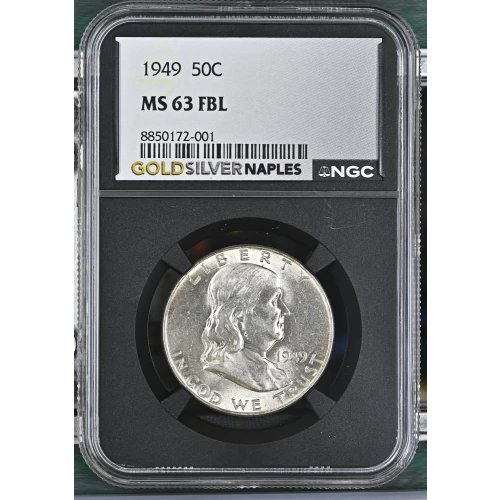
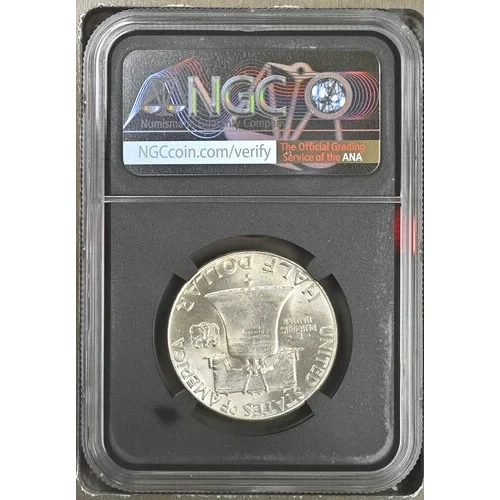
1949 - 0.3617oz Silver Franklin Half Dollar - NGC MS63 FBL (S13B-B5)
Description
(Serial Number may vary)
1949 Silver Franklin Half Dollar - 0.3617oz - NGC MS63 FBL
This exceptional 1949 Franklin Half Dollar represents a significant piece of American numismatic history. Graded by NGC as MS63 with Full Bell Lines (FBL) designation, this coin showcases remarkable preservation and strike quality that appeals to serious collectors and investors alike. The 0.3617oz of pure silver content makes this coin valuable both as a historical artifact and as a tangible silver asset.
The Franklin Half Dollar: An American Classic
The Franklin Half Dollar series, minted from 1948 to 1963, represents one of the most beloved and distinctive designs in United States coinage history. Named after Founding Father Benjamin Franklin, this series replaced the long-running Walking Liberty design and was produced to honor Franklin's significant contributions to American independence and innovation. The 1949 Franklin Half Dollar is a particularly sought-after date among collectors due to its historical significance and relative scarcity in high grades.
During the post-World War II era, American coinage underwent significant changes as the nation adjusted to peacetime production. The introduction of the Franklin design coincided with this transitional period, making coins from 1949 especially important to collectors studying mid-20th century American monetary history.
Design and Obverse Features
The obverse of the Franklin Half Dollar features a detailed left-facing profile of Benjamin Franklin, one of the most recognizable designs in American numismatic art. Designed by renowned sculptor John Sinnock, the portrait captures Franklin's dignified expression and includes careful attention to detail in the hair, facial features, and clothing. The inscriptions "LIBERTY" and the date appear on the obverse, along with the motto "IN GOD WE TRUST."
Franklin's selection for this design was particularly meaningful, as he was not a president of the United States—making this the first regular-issue circulating U.S. coin to honor a non-presidential figure. This historic break from tradition emphasized Franklin's importance as a statesman, inventor, and founding father.
Reverse Design and Symbolism
The reverse of the Franklin Half Dollar showcases the American Eagle perched on a rock, clutching an olive branch and arrows in its talons. This majestic design, also created by John Sinnock, draws inspiration from the Great Seal of the United States. The eagle symbolizes strength, freedom, and American sovereignty, while the olive branch represents peace.
The reverse includes the inscriptions "UNITED STATES OF AMERICA," "E PLURIBUS UNUM," "HALF DOLLAR," and "ONE HALF DOLLAR." The Full Bell Lines (FBL) designation on this particular coin indicates that the fine details of the Liberty Bell—which appears on the reverse—are fully visible and sharply struck, a mark of exceptional coin quality.
Specifications and Technical Details
- Coin Type: Franklin Half Dollar
- Year of Mint: 1949
- Silver Content: 0.3617 troy ounces (90% silver)
- Total Weight: 11.25 grams
- Diameter: 30.61 millimeters
- Metal Composition: 90% Silver, 10% Copper
- Grading Service: NGC (Numismatic Guaranty Company)
- Grade: MS63 (Mint State 63)
- Designation: FBL (Full Bell Lines)
- Denomination: Half Dollar (50 cents)
- Designer: John Sinnock
- Mint Mark: Varies by mint facility
Understanding the MS63 Grade
The MS63 designation indicates that this coin is in Mint State condition, meaning it has never been circulated. Mint State coins represent the highest quality grade levels, with MS63 specifically indicating a coin that is well-struck and attractive, with only minor imperfections visible under magnification. Coins at this grade level represent an excellent balance between quality and value for collectors.
Coins graded MS63 may display light contact marks or other minor blemishes that are consistent with the minting and handling processes, but these imperfections do not significantly detract from the coin's overall appeal or eye appeal. The NGC certification provides independent verification of the coin's grade and authenticity.
The Significance of Full Bell Lines (FBL)
The Full Bell Lines (FBL) designation is a premium feature designation that applies specifically to Franklin Half Dollars and Walking Liberty Half Dollars. This designation indicates that the horizontal lines on the Liberty Bell reverse design are fully visible and sharply struck, requiring an especially well-executed die strike. Achieving FBL status demonstrates superior minting quality and careful attention to the striking process.
Not all Franklin Half Dollars achieve FBL status, making coins with this designation significantly more desirable to collectors. The presence of FBL on this 1949 example indicates exceptional die preparation and striking quality at the mint, adding considerable numismatic and collector value to the coin.
Historical Context of 1949 Coinage
The year 1949 holds special significance in Franklin Half Dollar collecting. This was only the second year of production for the Franklin design, and coins from this early period are particularly sought after. The 1949 Franklin Half Dollar was produced during a time of optimism in post-war America, as the nation adjusted to peacetime and economic growth resumed.
The production numbers and survival rates for 1949 Franklin Half Dollars make certain mint marks more scarce than others, contributing to the collector demand for examples in exceptional grades like MS63 with FBL designation.
Silver Content and Precious Metal Value
With a silver content of 0.3617 troy ounces, this 1949 Franklin Half Dollar contains 90% pure silver. This composition makes the coin valuable as a tangible silver asset in addition to its numismatic worth. Investors interested in precious metals often seek out pre-1965 U.S. silver coins as a way to own physical silver bullion with historical significance and collector appeal.
The combination of numismatic rarity and precious metal content creates a unique value proposition for this coin, appealing to both dedicated coin collectors and investors focused on tangible asset accumulation.
Collector Appeal and Investment Potential
Franklin Half Dollars have experienced steady appreciation in value over decades, making them attractive to both beginning and advanced collectors. The combination of historical significance, attractive design, precious metal content, and limited production numbers supports continued collector demand. Coins with premium designations like FBL in desirable grades like MS63 represent particularly strong examples of the series.
This 1949 Franklin Half Dollar - 0.3617oz Silver, graded NGC MS63 FBL, represents an opportunity to own a significant piece of American numismatic heritage while maintaining exposure to precious metals value. Whether building a Franklin Half Dollar collection, assembling a complete date set, or investing in pre-1965 silver coinage, this exceptional example offers both historical importance and tangible bullion value.
Specifications